Not a look. The film underneath every look.
onelight rebuilds the photochemical chain, from the light on your set to the print on the screen, and hands you a neutral film image to start from.
Each step in the order a film lab runs it. Click a step to read how it works.
Film never worked like a LUT.
Most film emulation is a LUT and a grain overlay laid over a finished picture. Film never worked like that. Light hit a negative, the negative developed its own grain and glow, and a lab printed it with a few points of colour. Every step changed what the next one saw.
onelight runs that chain in that order. Grain forms inside the negative's density, so the print decides how much of it you see. Halation is made from how bright each light really was, before the negative compresses it. Printer lights act before the print, so the print's own curve shapes every correction.
The result isn't a look you have to fight; it's the film your scene would have become. Many people will leave it as it is. Others will grade on top of it in Resolve, the same way a colourist grades a scanned negative.
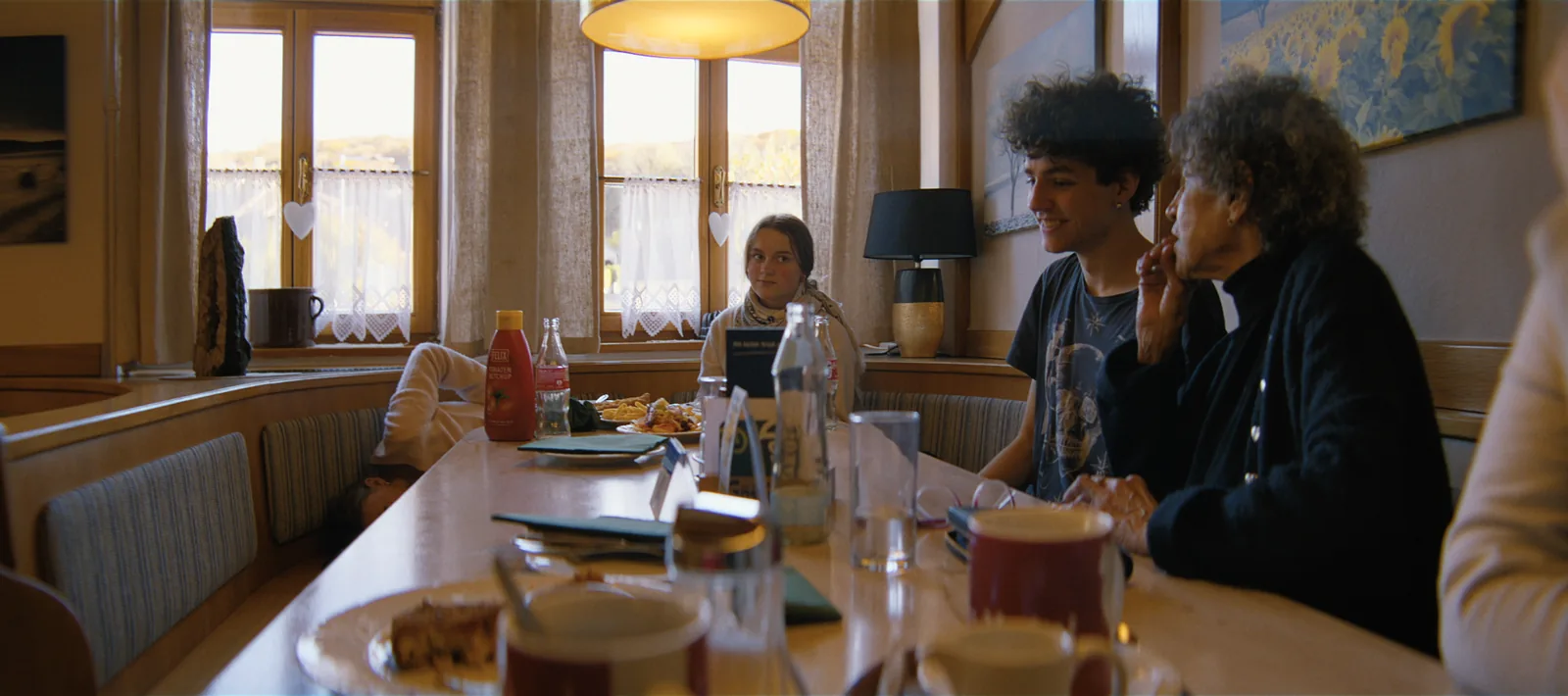
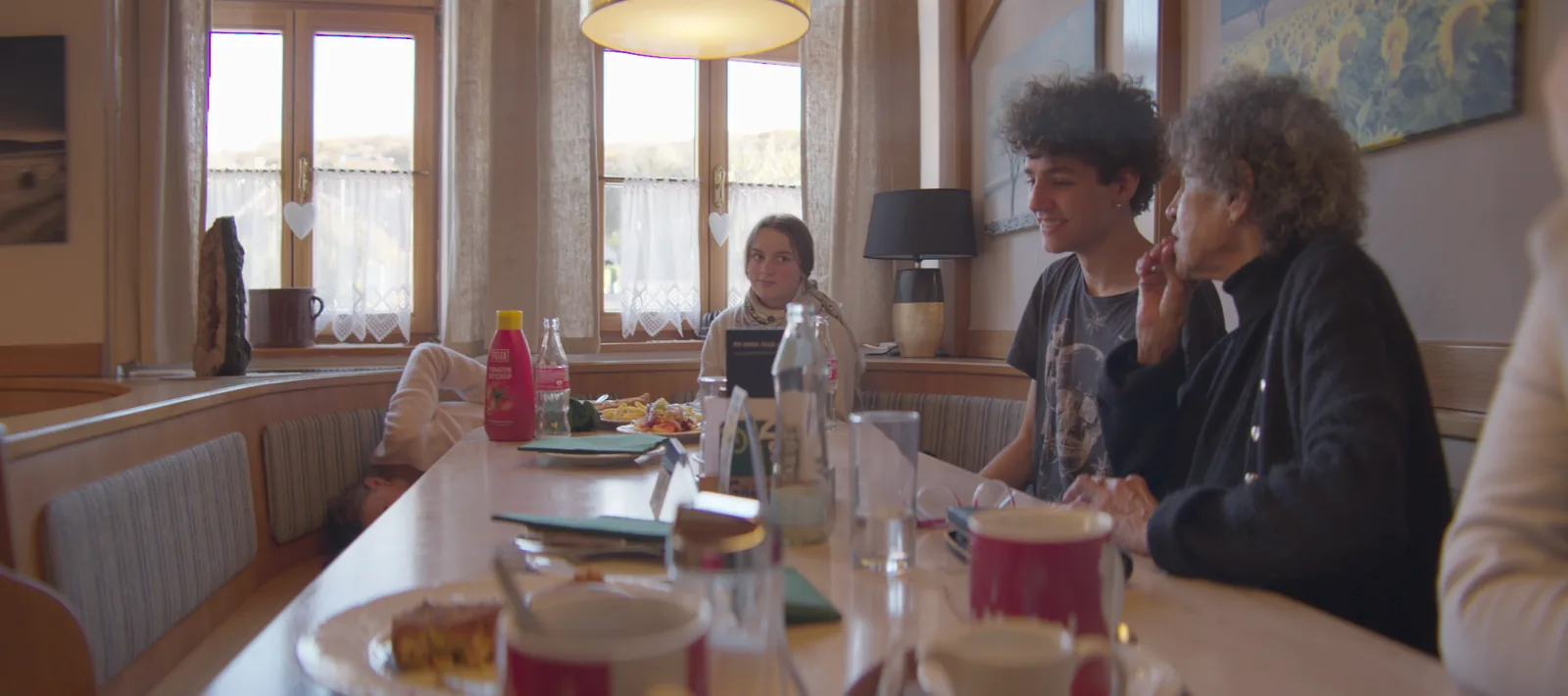
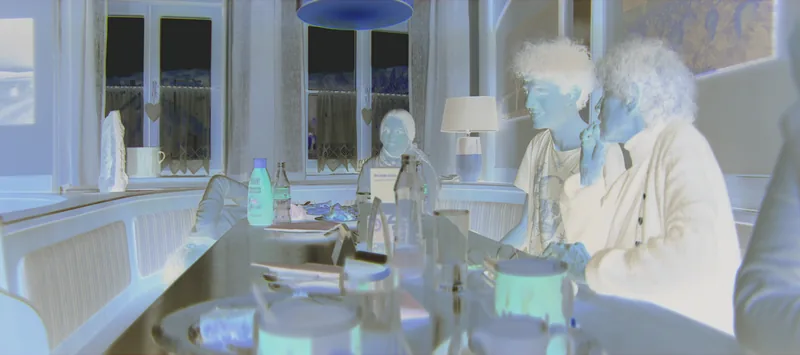
See every stage on its own.
The View menu shows what each part of the chain contributes. Use it to learn the film, or to check a shot before you print it.
Fifteen pages, from light to screen.
Film stocks
Four Vision3 negatives
Exposure
Stops on the negative
Light on set
The colour of your light
Print stocks
2383 and 2393
Printer lights
Grade in points
Contrast and colour
The print look, set once
Finish
Scan or release print
Grain
Born in the negative
Halation
From light, not a filter
Sharpness and edges
Softer, crisper at edges
Gate weave
The frame breathes
Displays and HDR
Rec.709 to PQ
Negative scan
Cineon for your pipeline
Cameras
Every log, no transform
Performance
Real time in UHD
Shot digital. Printed on film.
Try every feature free for 14 days. No card needed.